
What is AWWA C504?
AWWA C504 is the American Water Works Association standard titled "Rubber-Seated Butterfly Valves". It establishes the minimum requirements for:
- Design and construction of rubber-seated butterfly valves
- Pressure-temperature ratings
- Material specifications for body, disc, seat, stem, and coatings
- Face-to-face dimensions for flanged and wafer valves
- Hydrostatic and seat leakage testing requirements
- Coating and lining systems for potable water service
First published in 1955 and updated regularly, AWWA C504 is the most widely used butterfly valve standard in North American waterworks and is referenced in municipal specifications across the United States and Canada.
Pressure Classes: Class 125 vs Class 150 vs Class 250
AWWA C504 defines three standard pressure classes:
| Class | Max Working Pressure | Flange Type | Flange Standard | Typical Use |
|---|---|---|---|---|
| Class 125 | 125 PSI (8.6 bar) | Flat Face (FF) | ASME B16.1 Class 125 | Cast iron piping, low-pressure water |
| Class 150 | 150 PSI (10.3 bar) | Raised Face (RF) | ASME B16.5 Class 150 | Ductile iron/steel piping, general water |
| Class 250 | 250 PSI (17.2 bar) | Flat Face (FF) | ASME B16.1 Class 250 | High-pressure water, cast iron systems |
Class 125 — The Waterworks Standard
Class 125 is the most common pressure class for municipal water distribution valves in North America. These valves feature flat face (FF) flanges per ASME B16.1 Class 125, designed to mate directly with cast iron flanged fittings, gate valves, and pumps. The flat face design distributes gasket load evenly across the full flange face, minimizing bending stress on cast iron components.
Class 150 — Higher Pressure Applications
Class 150 valves use raised face (RF) flanges per ASME B16.5 and are suitable for higher-pressure systems using ductile iron or steel piping. While Class 150 flanges are physically compatible with Class 125 fittings, they are not interchangeable for pressure rating — always match the flange class to the system design pressure.
Seat Design: Vulcanized vs Cartridge vs Bonded
Vulcanized Seat (AWWA C504 Standard)
The vulcanized seat is the traditional and most widely used seat design for AWWA C504 valves. During manufacturing, the rubber lining is chemically and mechanically bonded to the ductile iron body through a high-temperature molding process. This creates a permanent, inseparable bond that:
- Prevents seat movement, extrusion, or blowout under pressure
- Eliminates leak paths between the seat and body
- Provides maintenance-free sealing for 15-20 years in typical water service
- Meets the most stringent bubble-tight shut-off requirements
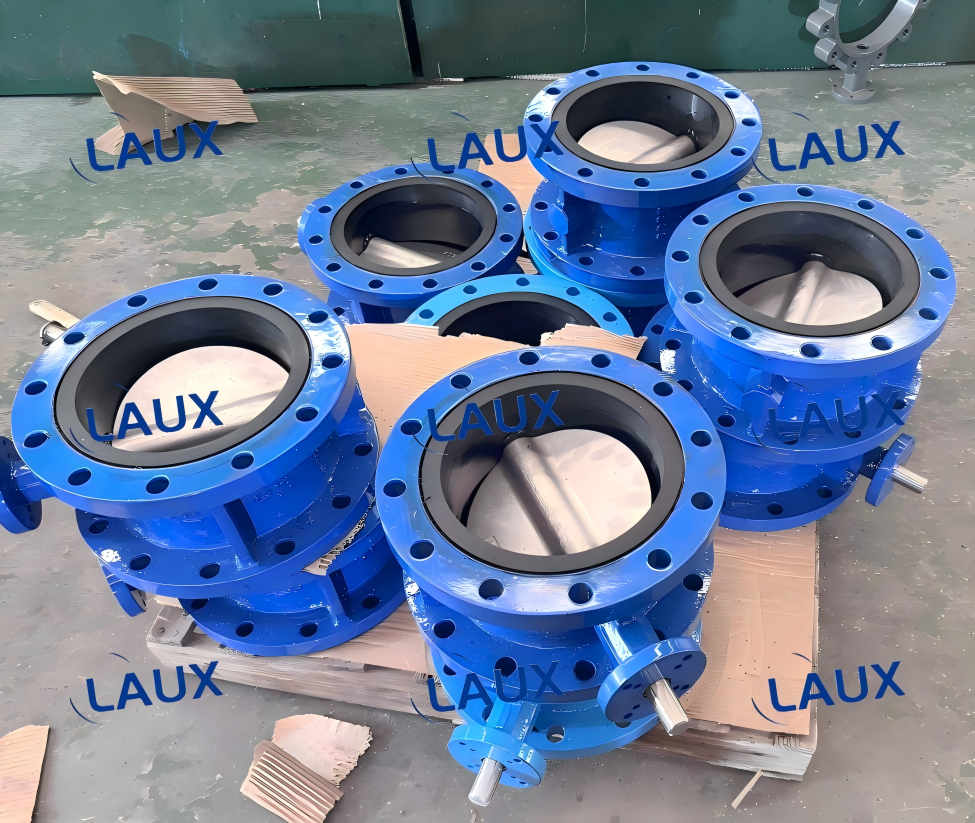
AWWA C504 Concentric Double Flange Butterfly Valve — Class 125, Vulcanized Seat, Flat Face
Cartridge / Replaceable Seat
Some AWWA C504 valves use a mechanically retained cartridge seat that can be replaced in the field without re-vulcanization. While convenient for maintenance, cartridge seats are more common in smaller diameters and chemical service applications than in waterworks.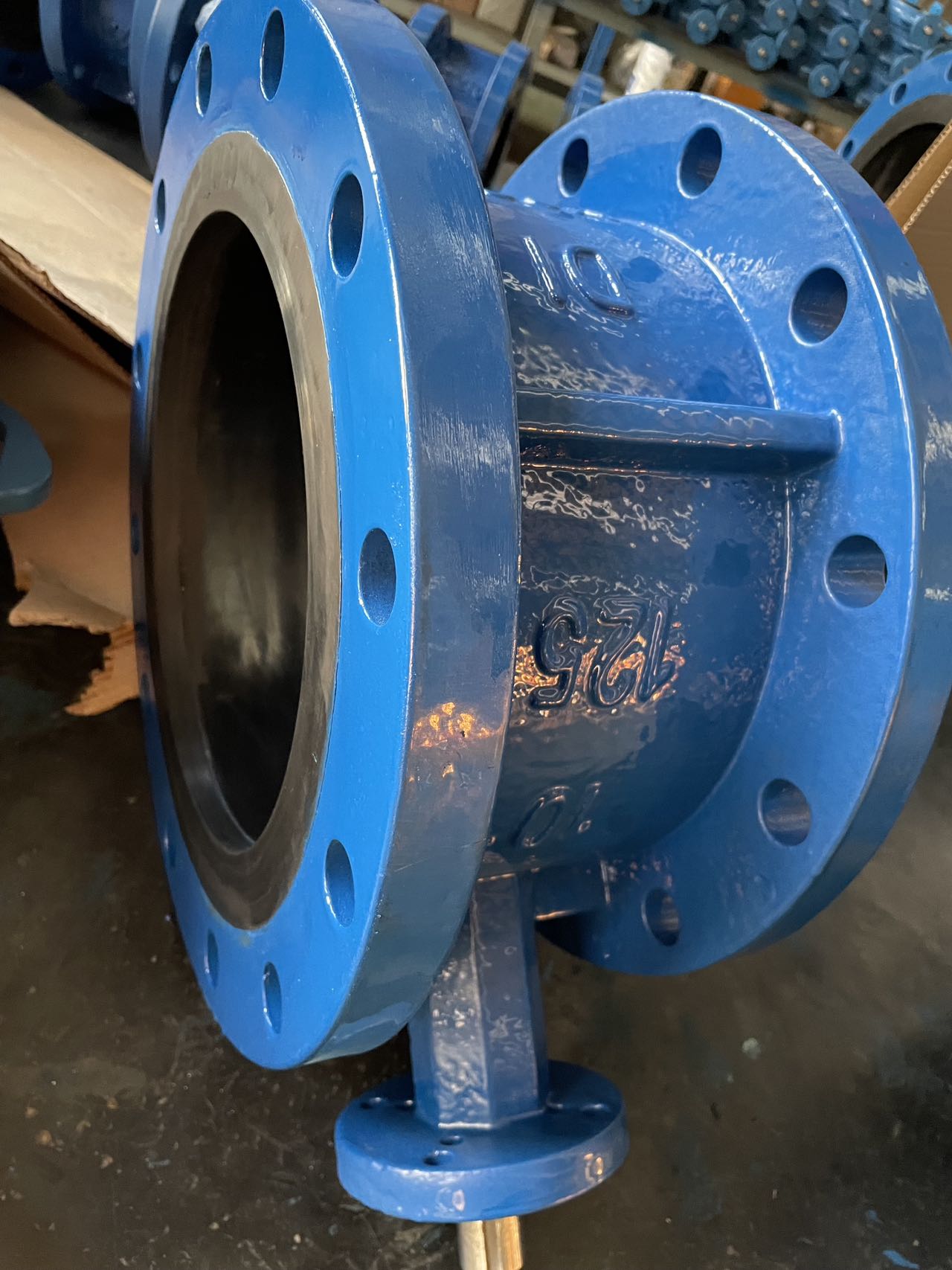
Class250 AWWA C504 Flat Face AWWA C504 Double Flange Butterfly Valve
Bonded Seat (Light Duty)
Bonded seats use adhesive to attach the rubber lining to the body. This is a lower-cost method but does not provide the same blowout resistance as vulcanization. Bonded seats are generally not recommended for critical waterworks isolation applications.
Face-to-Face Dimensions: Short Pattern vs Long Pattern
AWWA C504 defines two face-to-face (FTF) dimension patterns:
| Pattern | Type | Typical Sizes | Use |
|---|---|---|---|
| Short Pattern | Compact, lightweight | 3" - 72" | Most common for waterworks; lower cost, lighter weight |
| Long Pattern | Full body length | 3" - 48" | Interchangeable with gate valves; retrofit applications |
When replacing an existing valve, always verify the face-to-face dimension. Short pattern AWWA C504 valves are the default choice for most new installations.
AWWA C504 vs API 609: What's the Difference?
| Standard | Scope | Pressure Classes | Primary Market |
|---|---|---|---|
| AWWA C504 | Rubber-seated butterfly valves for waterworks | 125, 150, 250 PSI | Municipal water, wastewater |
| API 609 | Butterfly valves for general industrial use | Class 150, 300, 600 | Chemical, oil & gas, industrial |
While both standards cover butterfly valves, they serve different markets. AWWA C504 focuses on low-to-medium pressure waterworks, while API 609 covers higher-pressure industrial applications. Many manufacturers produce valves that meet both standards.
Coating Requirements for Potable Water
AWWA C504 requires interior and exterior coating systems suitable for potable water service. Common coatings include:
- Fusion Bonded Epoxy (FBE) — Min 250 microns, NSF 61 approved
- Liquid Epoxy — Two-component epoxy, min 150 microns
- Nylon 11 (Polyamide) — Electrostatic powder coating for discs
All coatings must meet NSF/ANSI 61 requirements for drinking water system components. WRAS approval is required for UK water supply applications.
Why Choose an AWWA C504 Butterfly Valve?
- Proven reliability — AWWA C504 has been the gold standard for waterworks butterfly valves for over 65 years
- Widely specified — Required by most municipal engineering specifications in North America
- Interchangeable dimensions — Standardized face-to-face dimensions ensure replacement compatibility
- NSF 61 compliant — Suitable for potable water contact
- Dead-end service — Double flange designs allow isolation at pipe ends
- Low maintenance — Vulcanized seats provide maintenance-free operation for decades
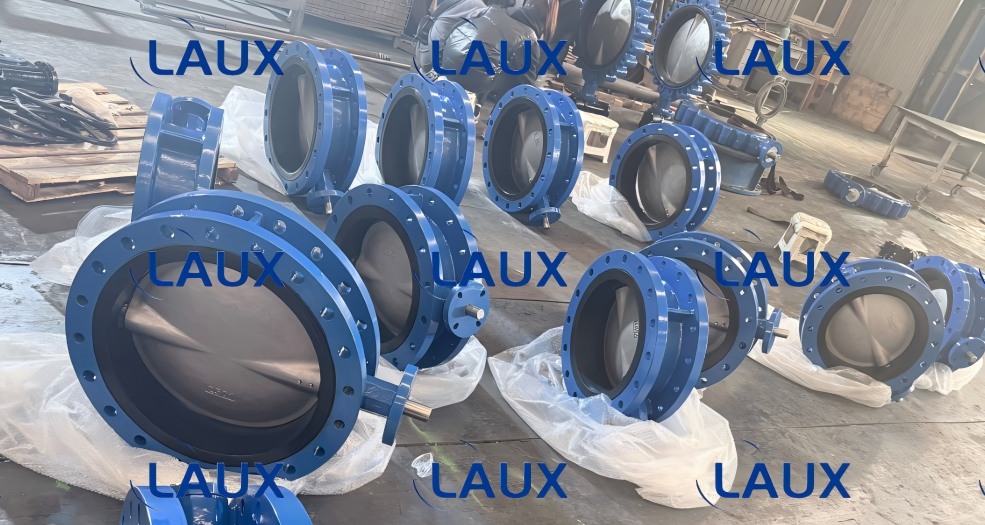
AWWA C504 Rubber Seated Butterfly Valve | Municipal Water
Frequently Asked Questions
What is AWWA C504?
AWWA C504 is the American Water Works Association standard for Rubber-Seated Butterfly Valves, covering design, materials, pressure ratings, dimensions, and testing for valves used in water supply and wastewater systems.
What is the difference between AWWA C504 Class 125 and Class 150?
Class 125 is rated for 125 PSI with flat face flanges (ASME B16.1). Class 150 is rated for 150 PSI with raised face flanges (ASME B16.5).
What sizes are covered by AWWA C504?
AWWA C504 covers valves from 3 inches (DN80) through 72 inches (DN1800). Larger sizes are available by special order.
What is a vulcanized seat butterfly valve?
A vulcanized seat is a rubber lining chemically and mechanically bonded to the valve body. It cannot shift, extrude, or blow out under pressure, providing maintenance-free bubble-tight shut-off.
What is the difference between AWWA C504 and API 609?
AWWA C504 covers low-to-medium pressure waterworks valves (Class 125-250). API 609 covers higher-pressure industrial valves (Class 150-600).


